Exploration
The solar system and beyond
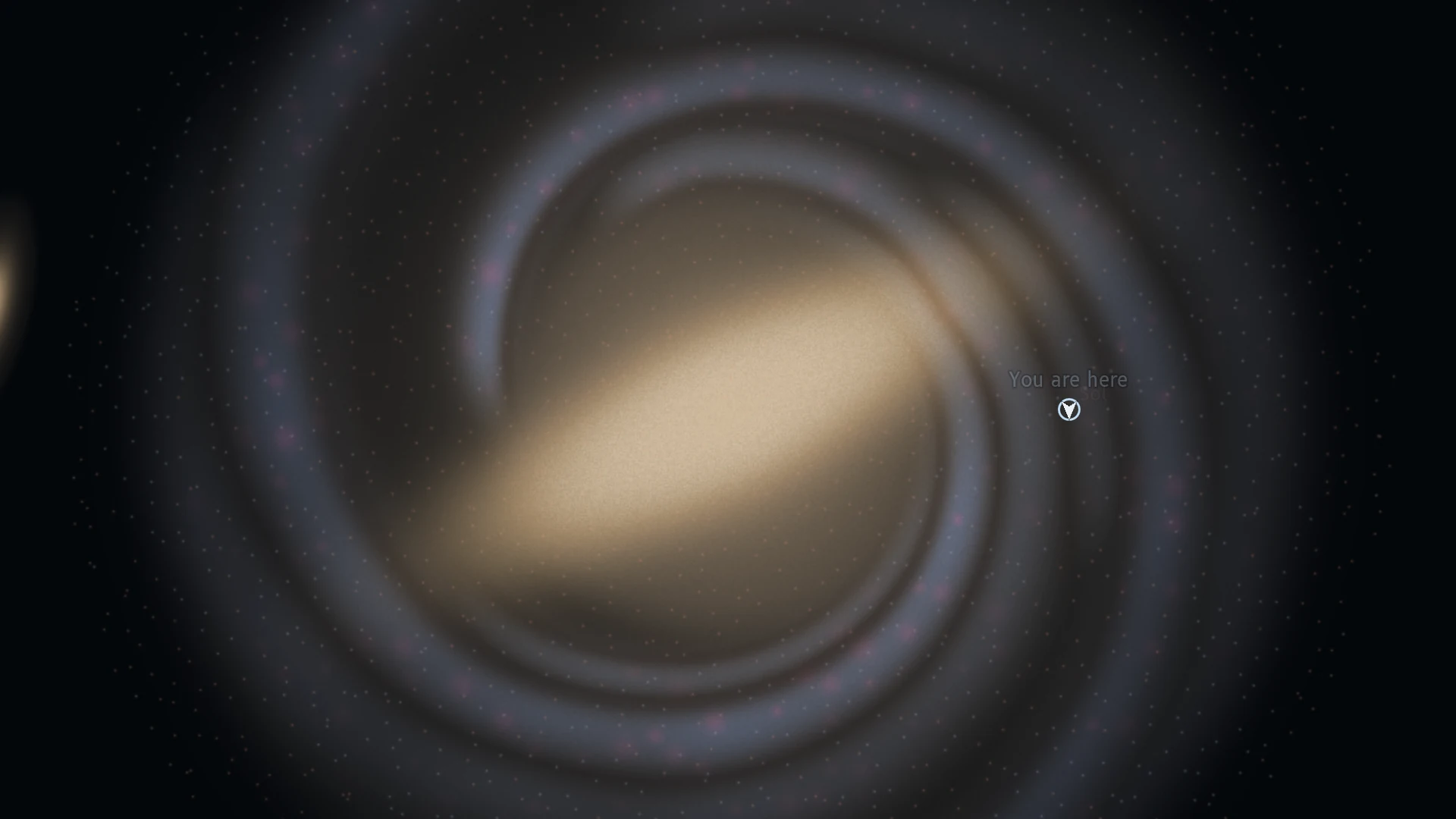
Start on Earth, visit the planets, then plan a flight to another star. Sandbox includes real nearby systems, generated planets and a map that extends beyond the Milky Way.
Real nearby stars
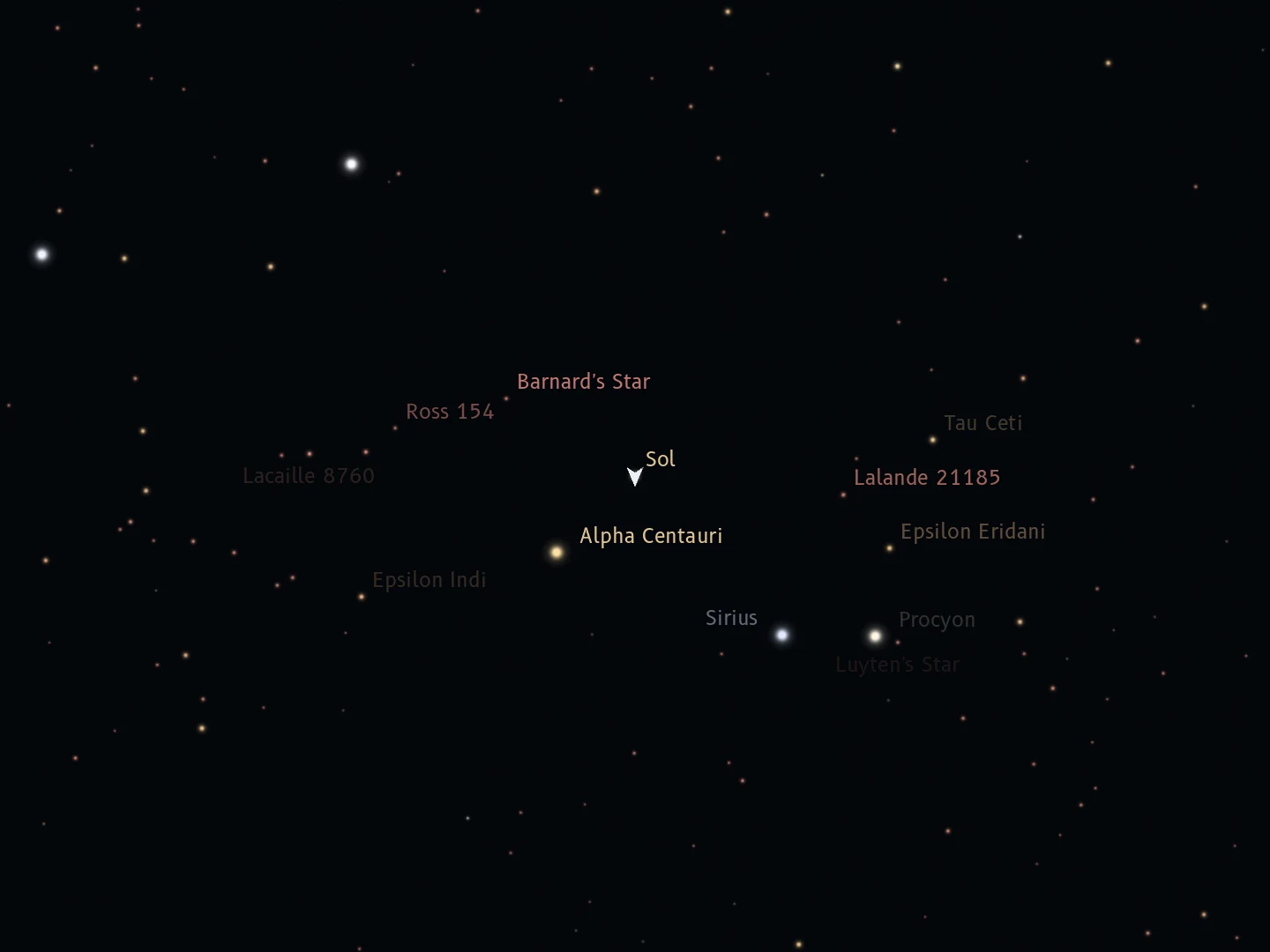
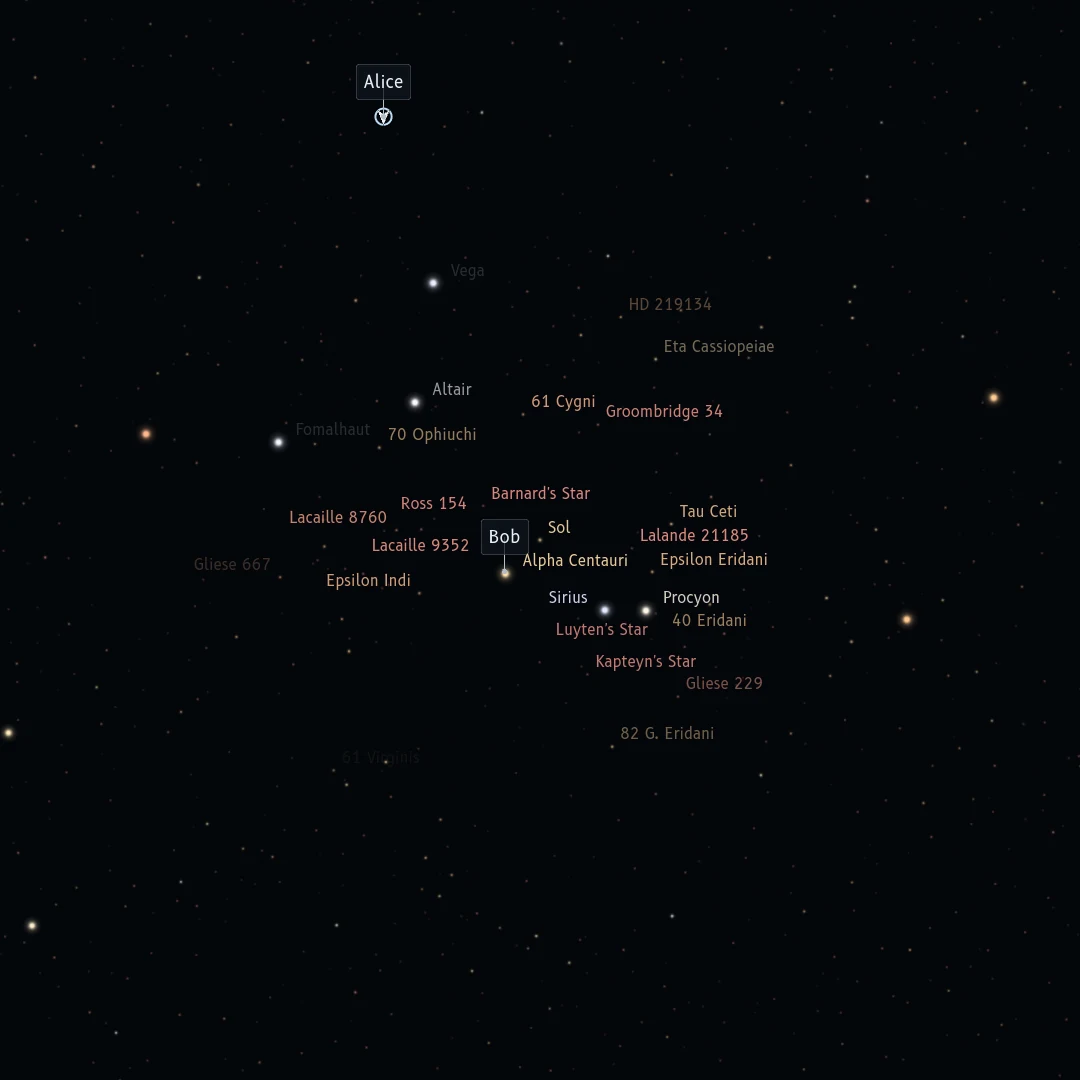
The nearby-star catalog contains 1,215 real systems within 50 light-years of the Sun. The 2D map preserves each star's distance from the Sun; it is not a complete three-dimensional reconstruction.
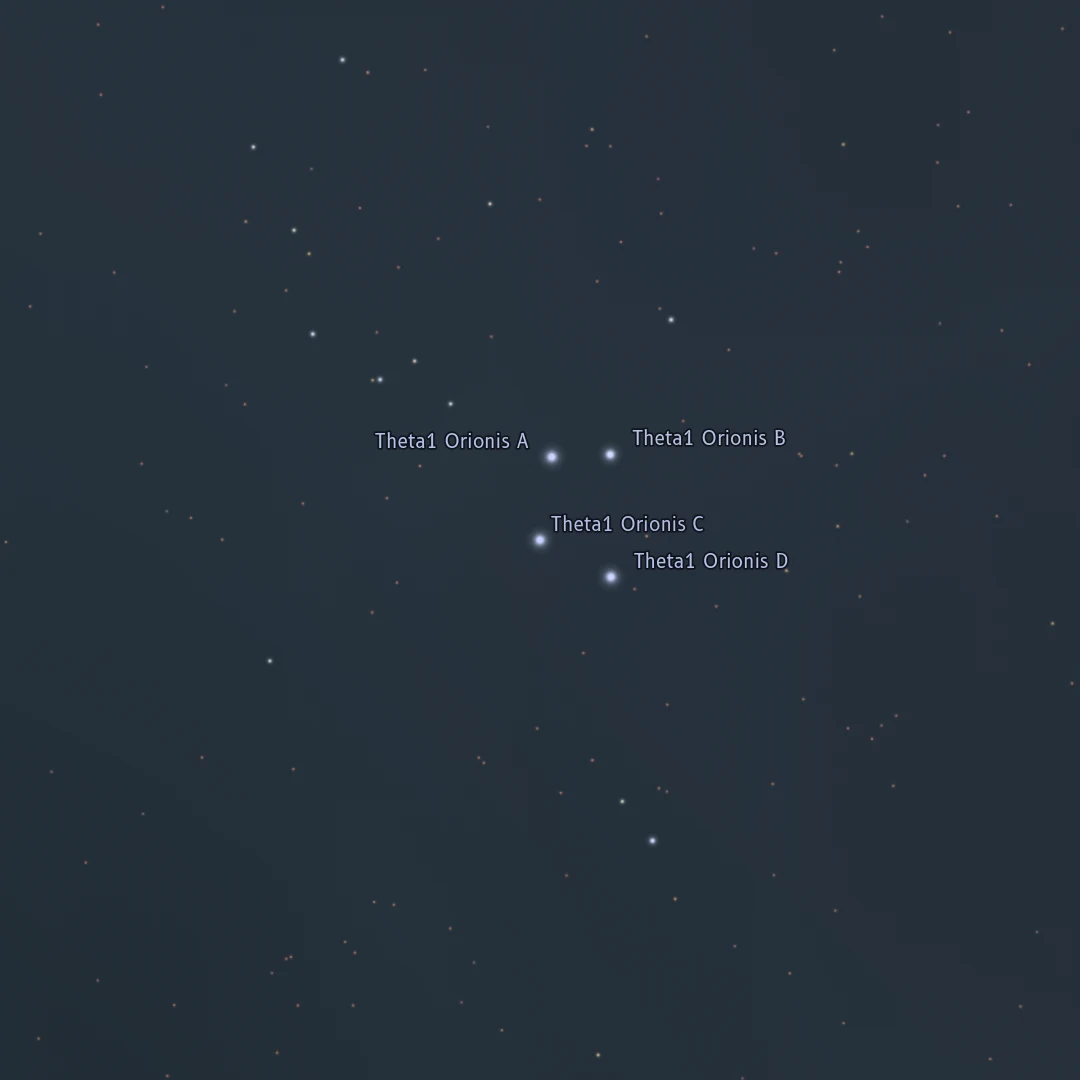
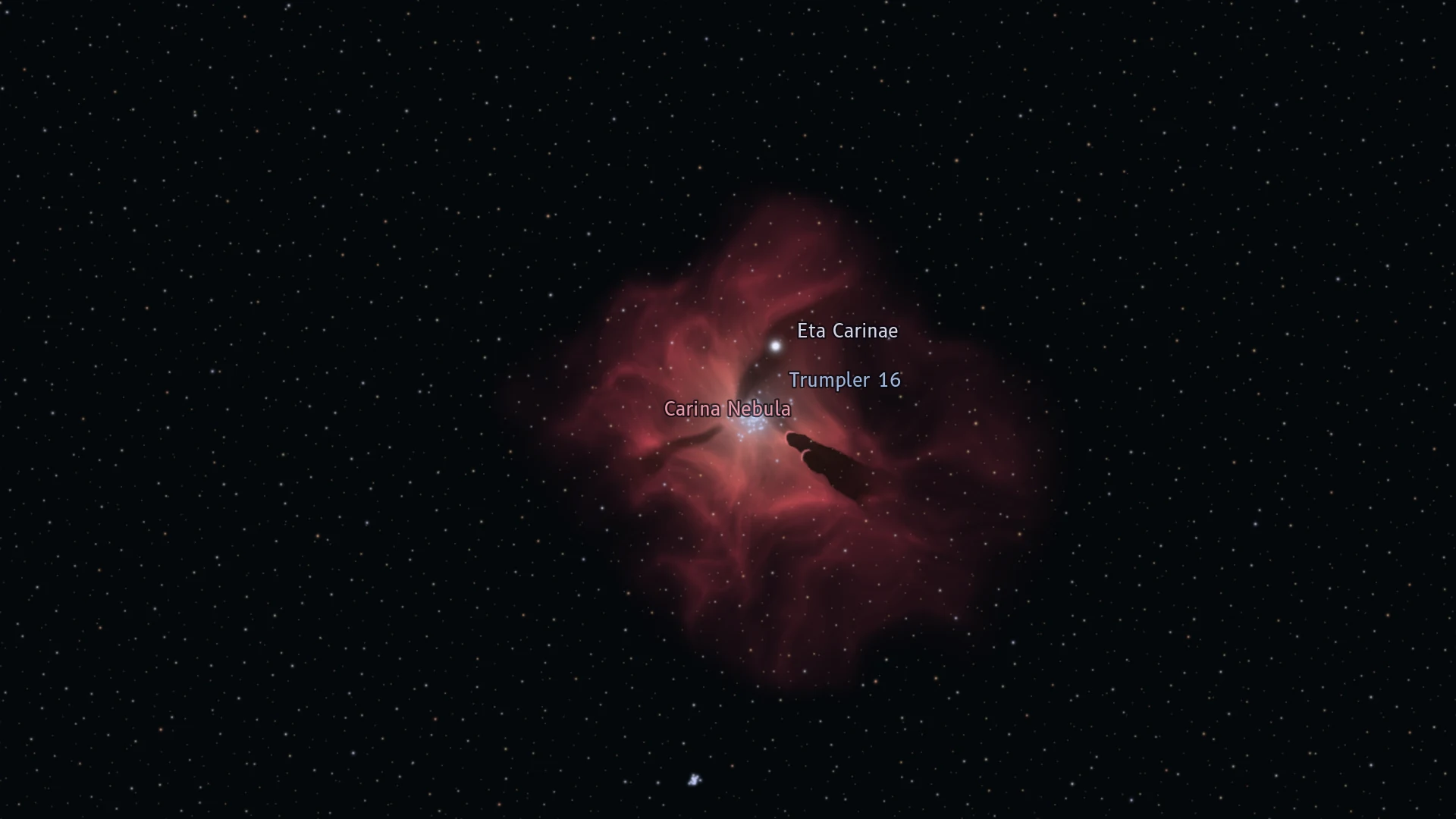
Charted systems include Alpha Centauri, TRAPPIST-1 and its seven planets, Sirius and its white dwarf, and larger landmarks such as Betelgeuse and the Pleiades. Star properties and known planets come from observations. Their appearance in the game is an interpretation of that data.
Planets and moons
Uncharted systems are generated from fixed seeds. Their planets range from lava worlds and deserts to ocean planets, ice giants and ringed gas giants. Moons can have volcanic surfaces, haze, oceans or forests.
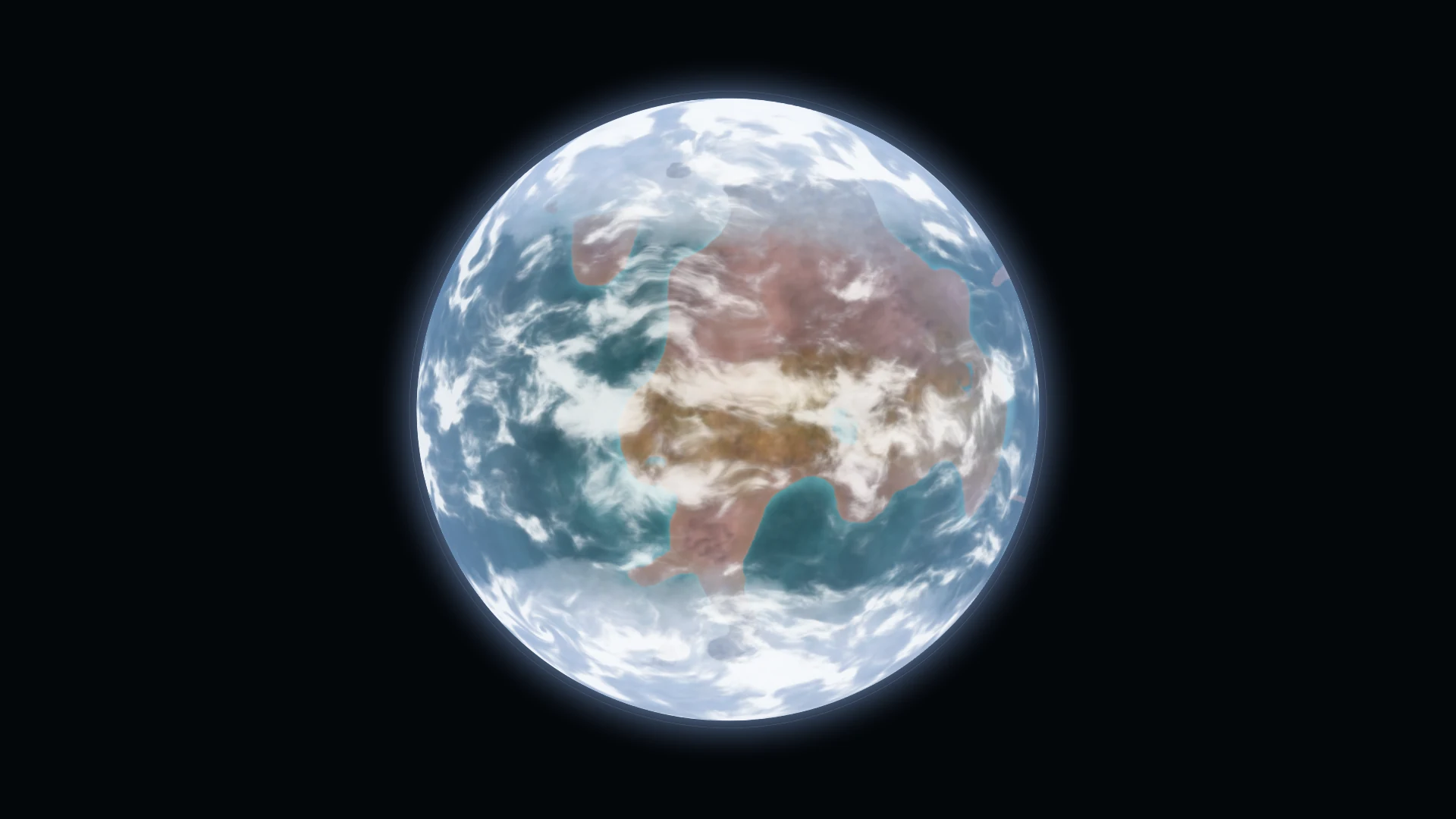
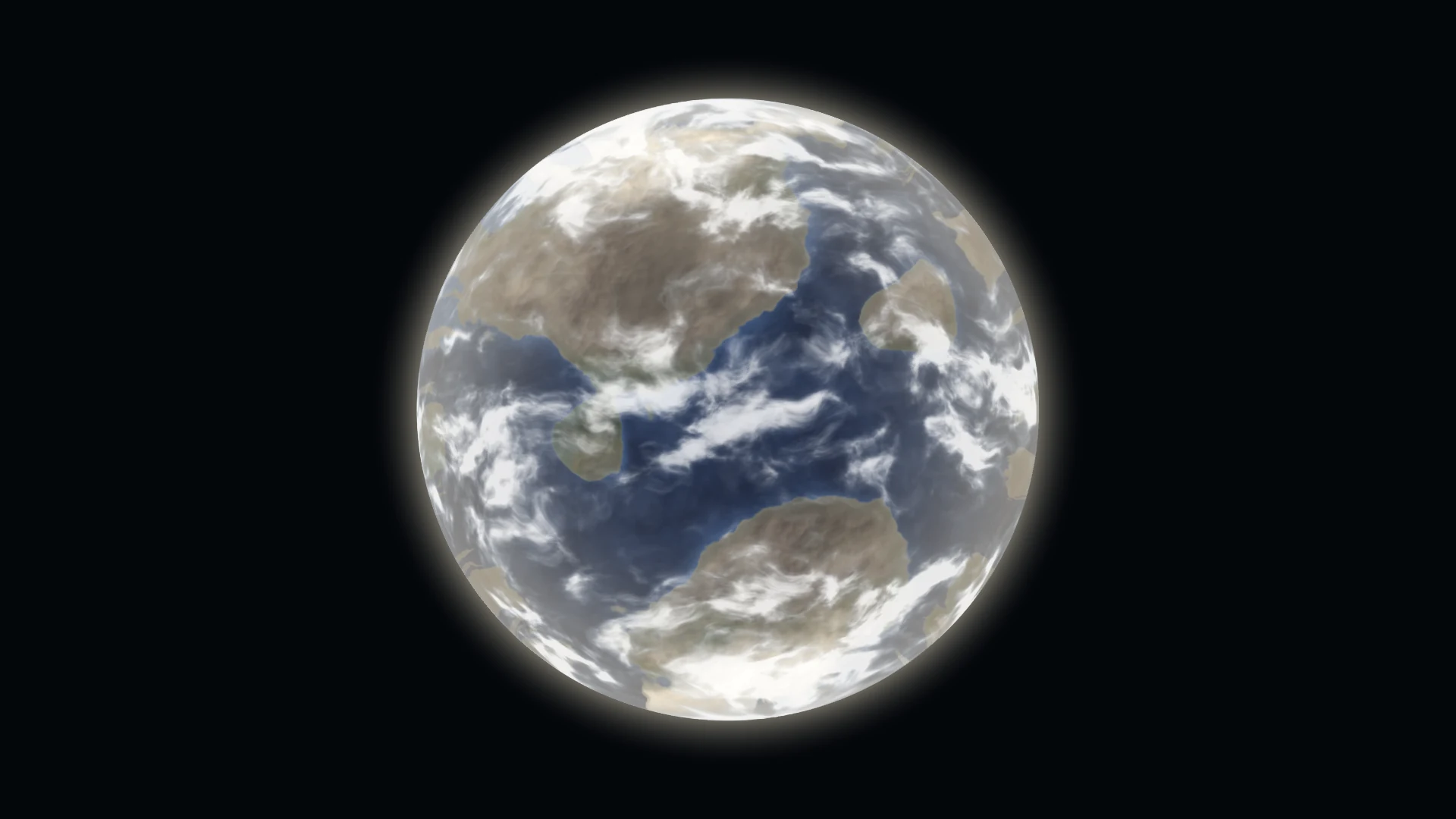
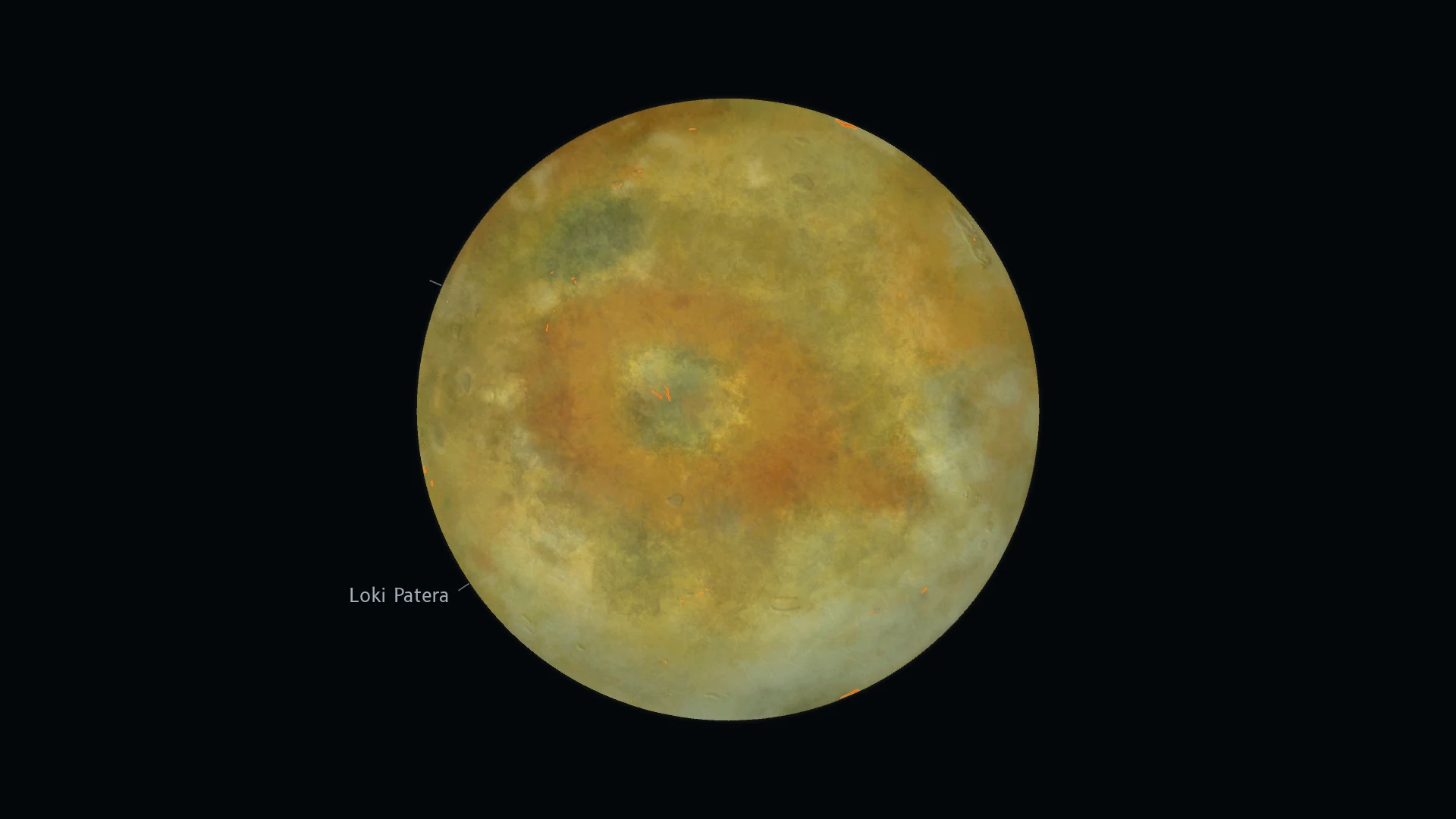
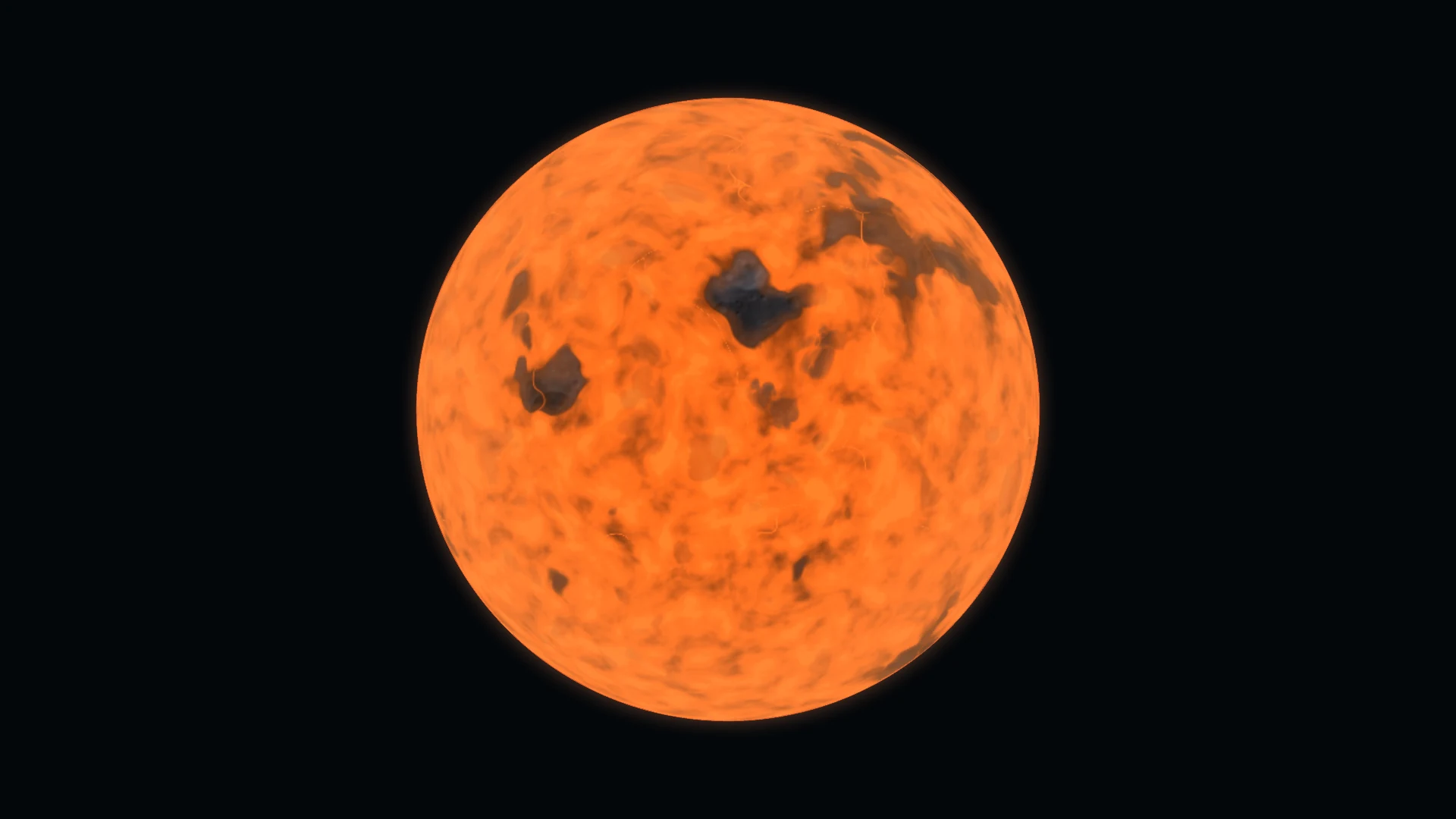
You can land on solid worlds and explore on foot or with a rover. Their generated surfaces are simpler than the artist-authored planets of the solar system.
Find a destination
The STAR INDEX searches stars, galaxies, nebulae and clusters by name. Its FIND tab looks for nearby systems that match the kind of trip you want.
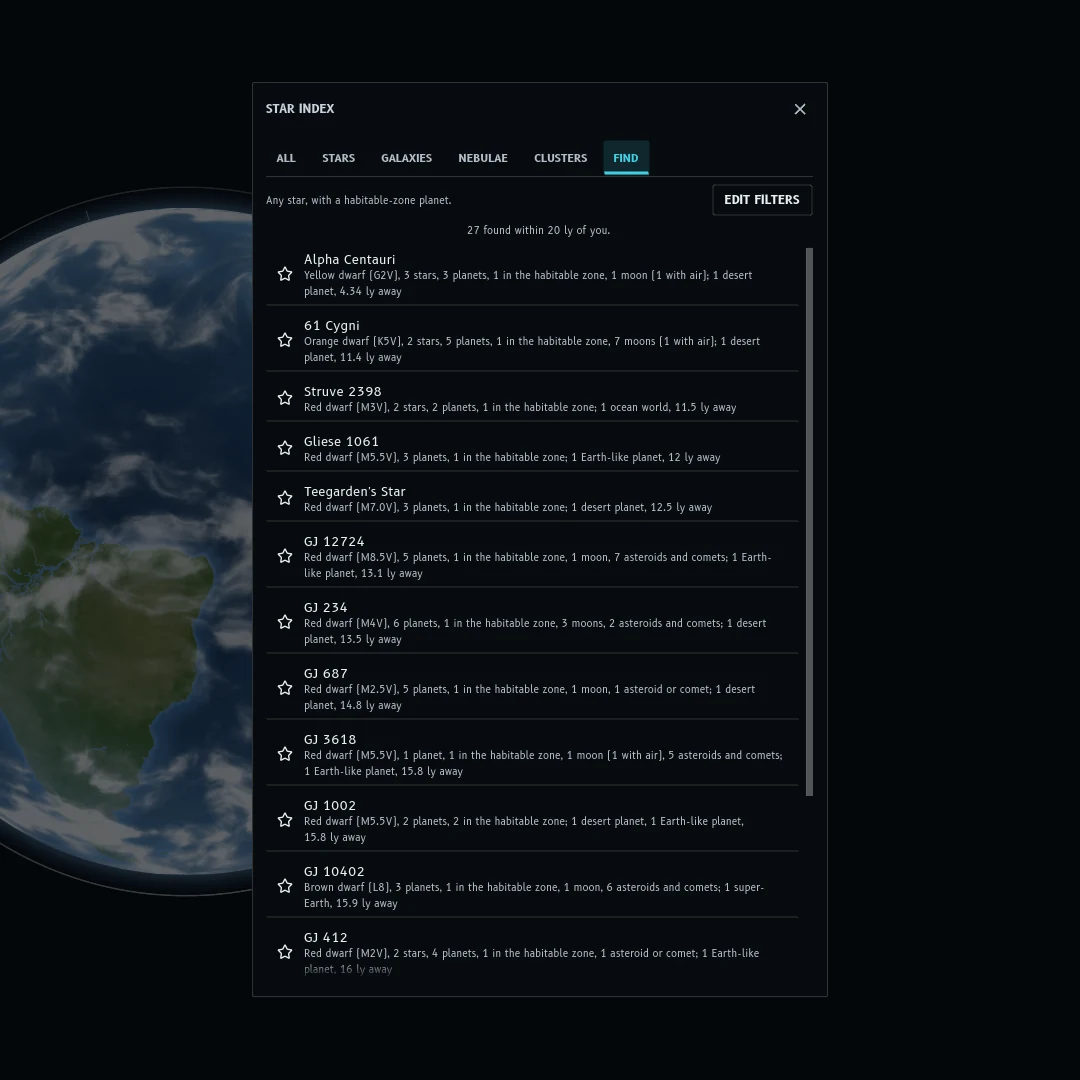
Filter by star type, planet and moon type, size, gravity, rings, liquid surfaces and habitable zone. Presets include habitable planets, moons with atmospheres, ringed giants and pulsars with planets.
Fly between stars
Select a star, choose NAVIGATE and set a cruise speed. The planner works out the departure burn, but your craft still needs the engines and propellant to make the trip.
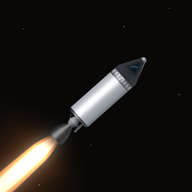
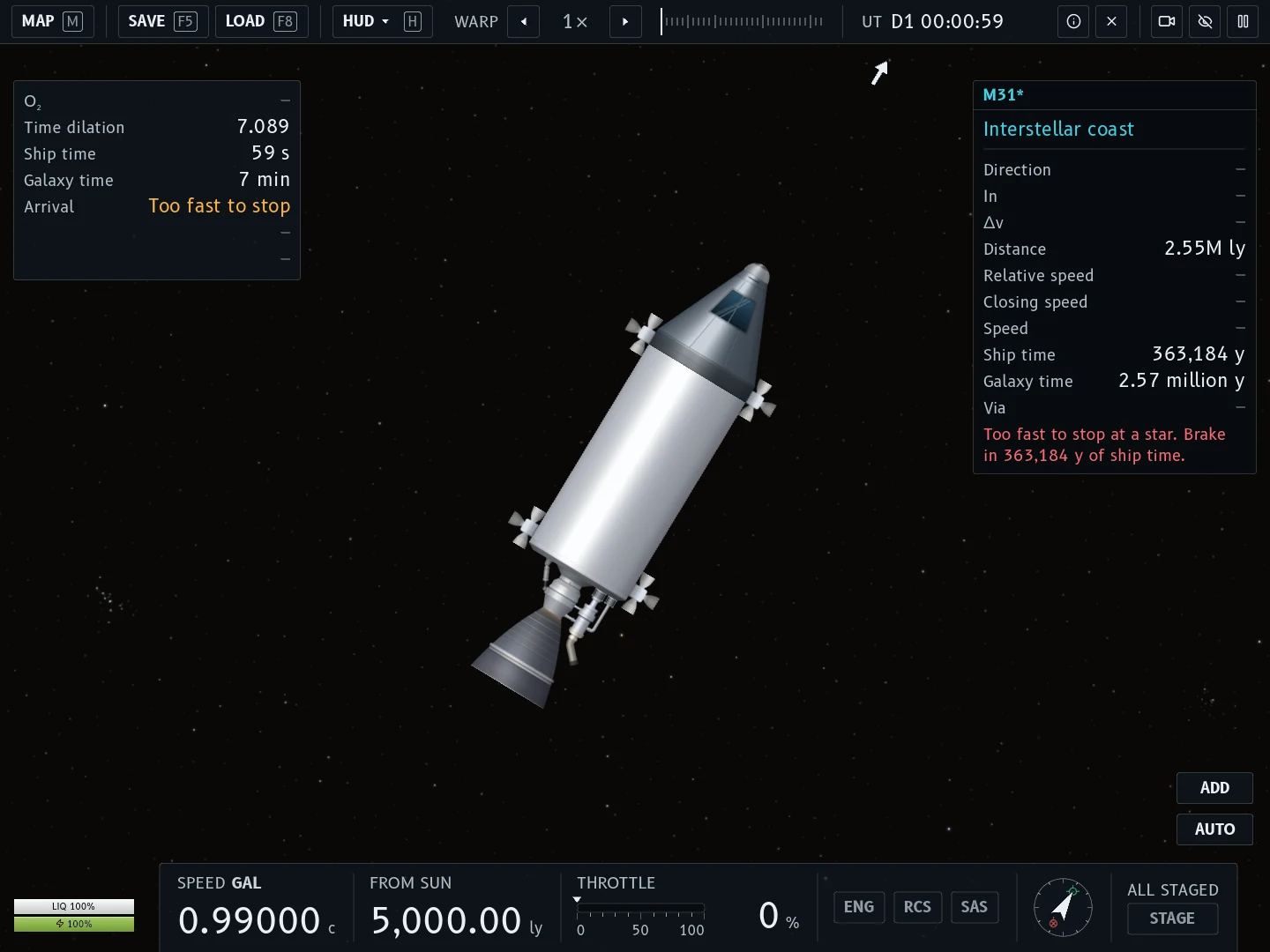
Time warp speeds up the crossing. At speeds close to light speed, separate ship and universe clocks show the effect of time dilation. The 0.99 c flight below uses Sandbox cheats; it is not a typical flight with a conventional rocket. Slow below five percent of light speed to arrive at a system.
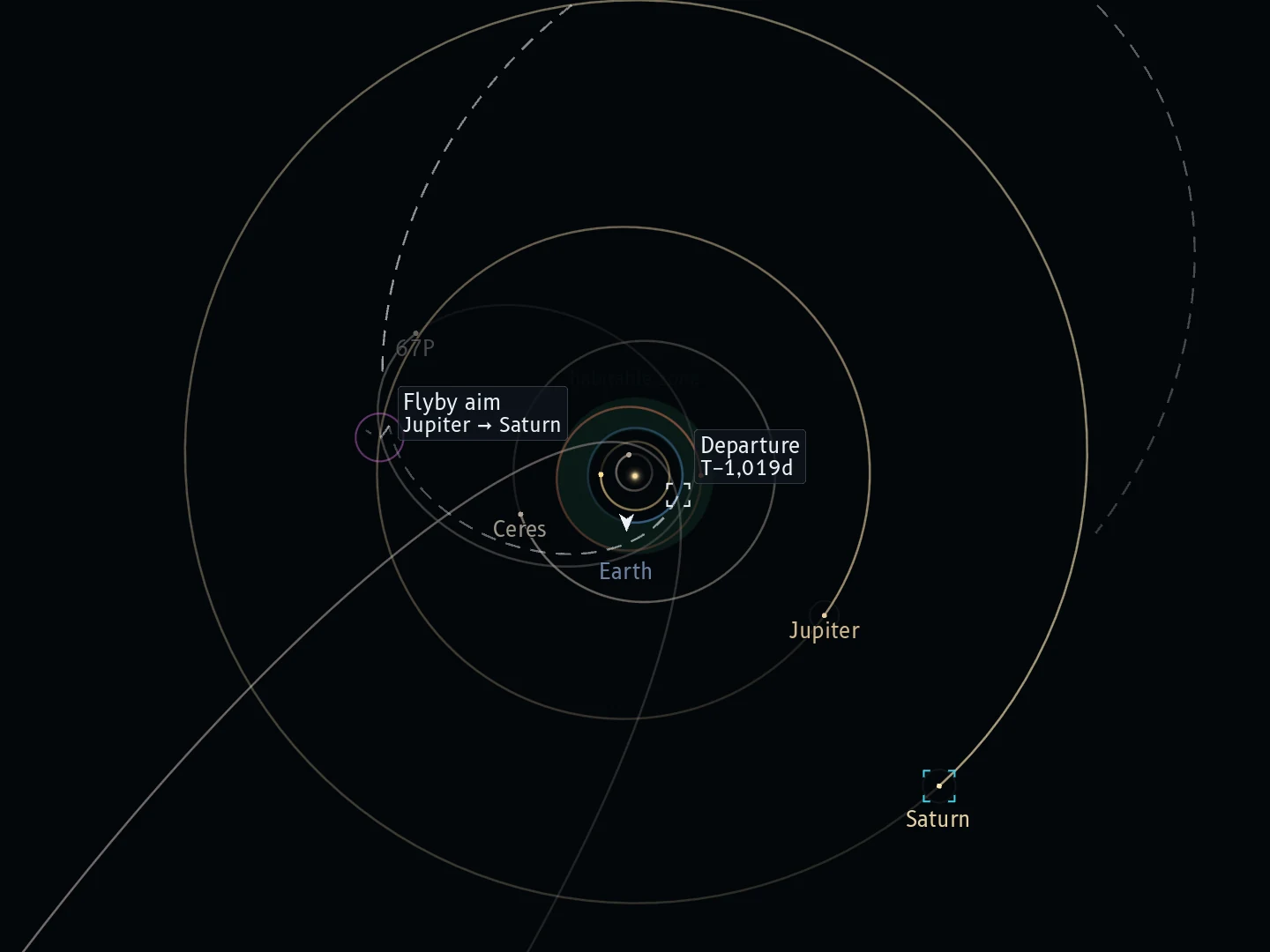
Within a star system, the transfer planner can also search for gravity assists, including flybys of binary stars.
Black holes and stellar remnants
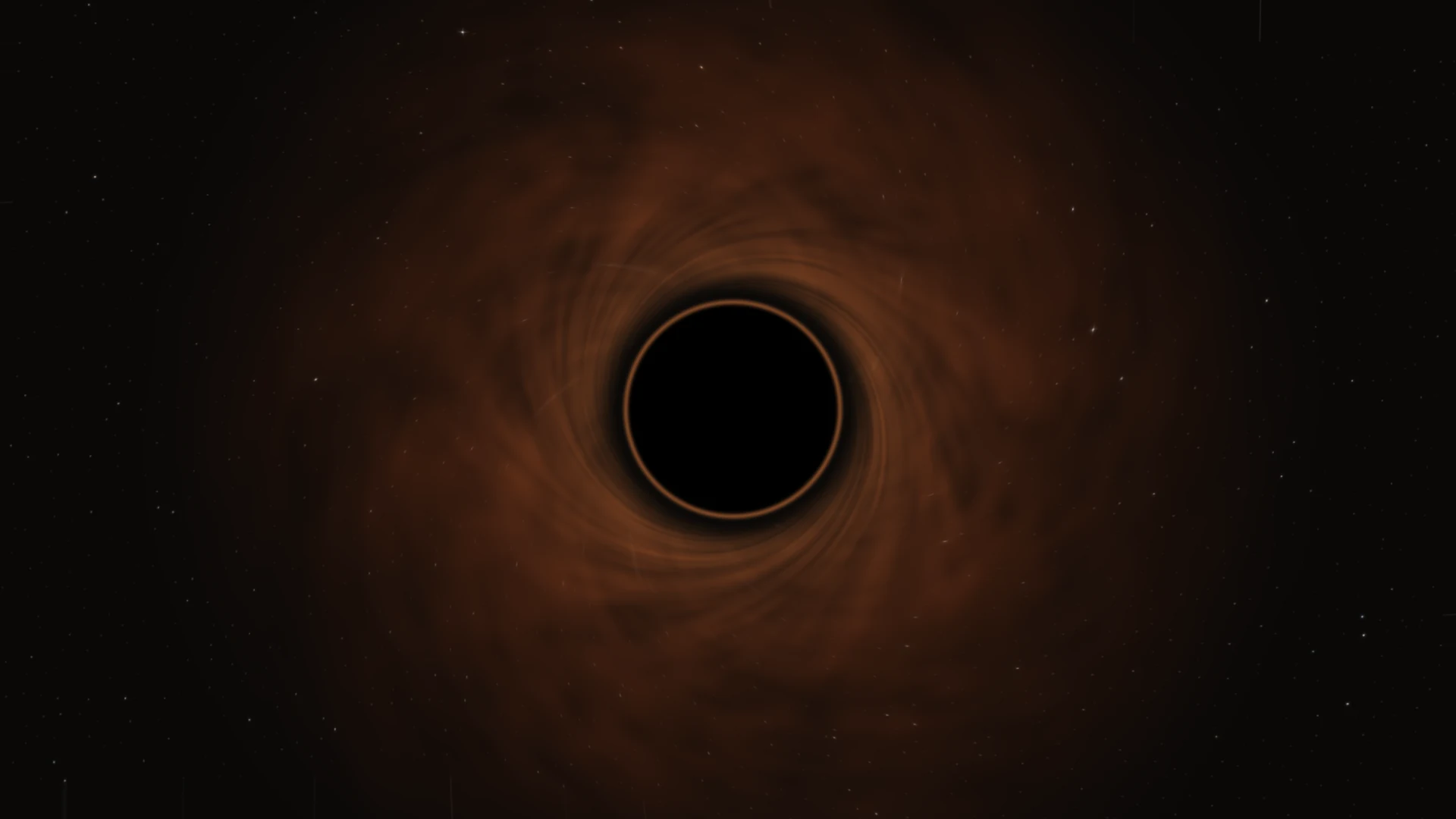
Visit Sagittarius A* at the Milky Way's centre, explore systems around pulsars, or orbit a white dwarf. Close approaches to black holes can destroy a craft through tidal forces.
Beyond the Milky Way
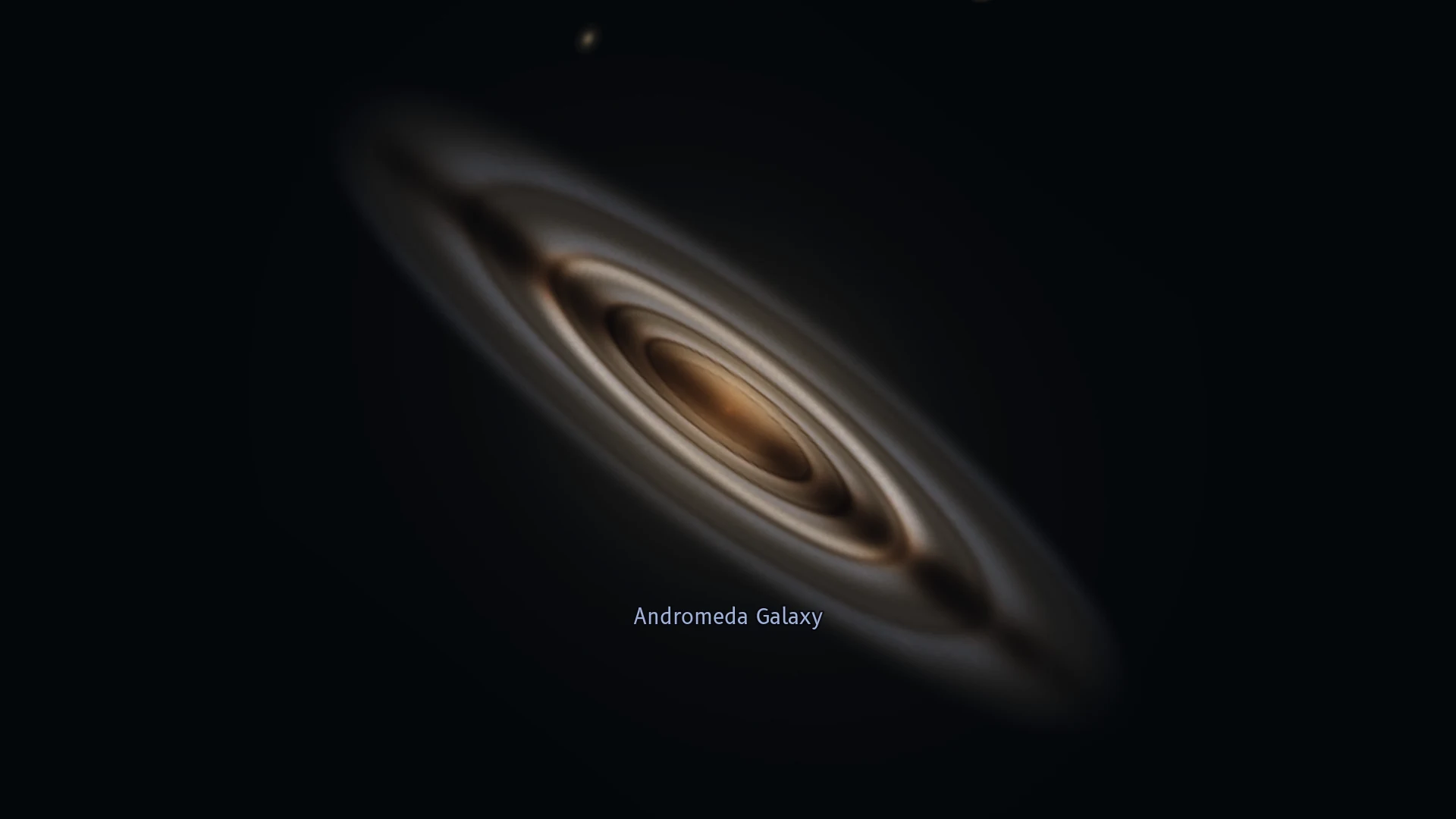
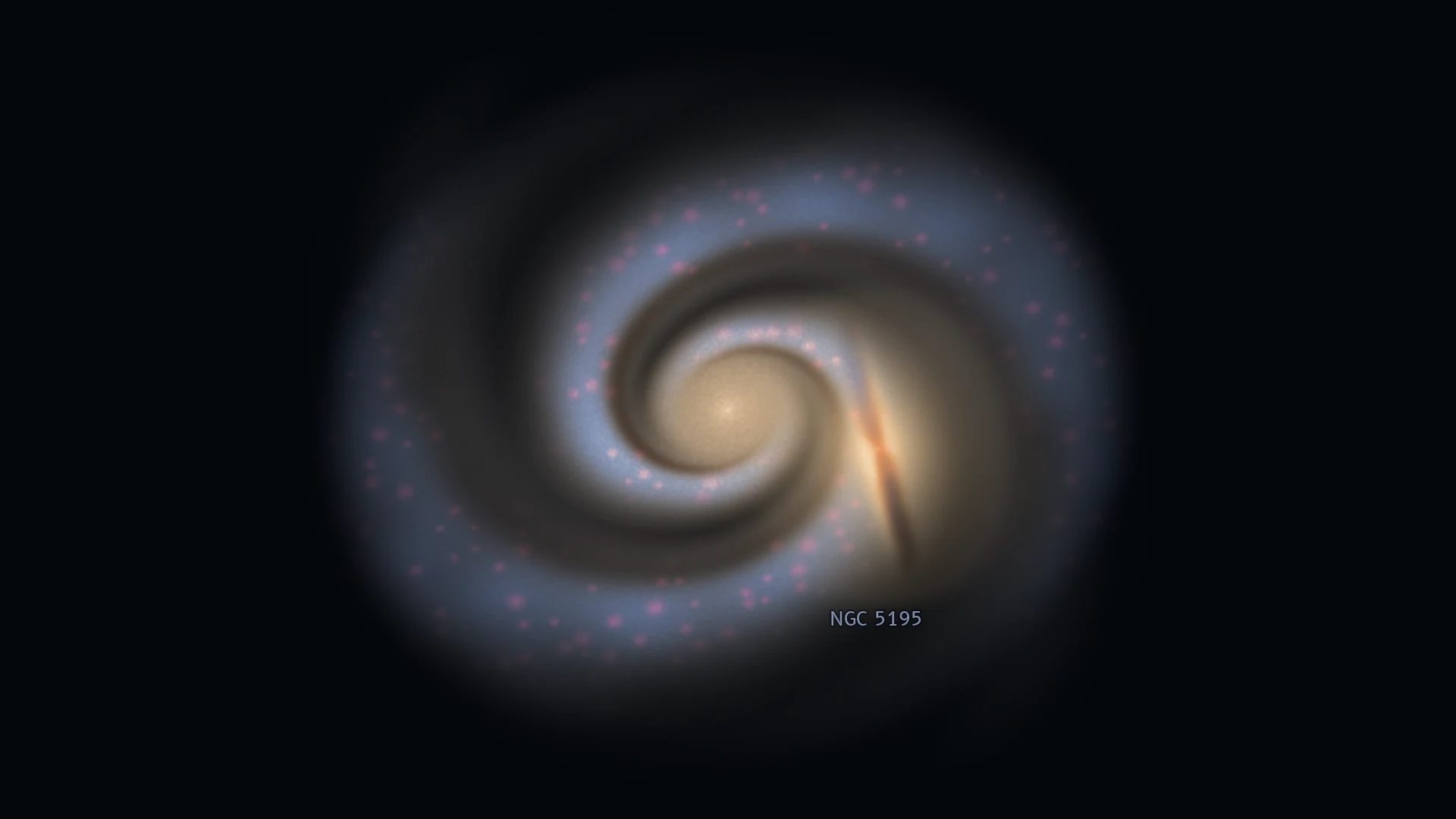
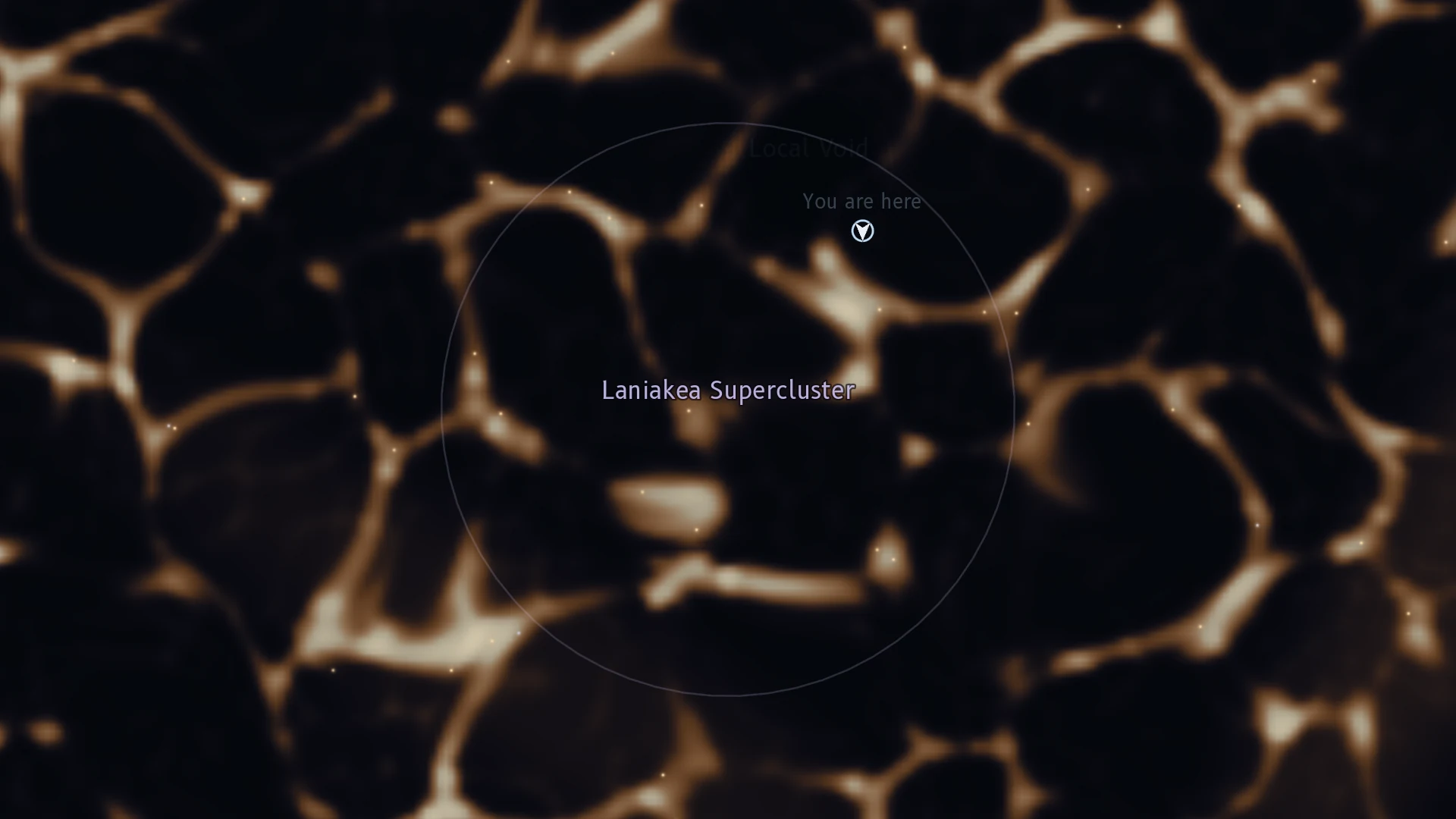
Zoom out to Andromeda, the Magellanic Clouds and other catalogued galaxies. Their generated star systems can be visited too. At larger scales, the map shows galaxy clusters, voids and a generated cosmic web.
Exploring with friends
Players in other star systems appear on the galaxy map. You can spectate across systems and, when the host permits teleporting, use GO TO to meet another player.
Flights between stars run privately. On arrival, press SYNC to rejoin the shared world. Separate travellers cannot meet during the crossing. Multiplayer interstellar flight uses the default patched-conics gravity model.
Questions about exploration
Can you fly to other stars?
Yes, in Sandbox. Choose a star on the galaxy map and plan the flight. Your craft uses its own engines and fuel, with time warp for the crossing. Career missions stay in the solar system.
Are the stars and planets real?
The nearby-star catalog contains 1,215 real systems within 50 light-years of the Sun. Charted systems include real binaries and confirmed exoplanets. Other systems are generated from fixed seeds, so players exploring the same location find the same worlds. Exoplanet artwork is an interpretation, not a photograph.
Can you land on generated planets?
You can land on solid planets and moons, walk outside and drive across the surface. Stars and gas giants have no landable surface.
Does interstellar travel work in multiplayer?
Yes, in Sandbox with the default patched-conics gravity model. A crossing runs privately; arrive and press SYNC to rejoin the shared world. Separate travellers cannot meet during the crossing.
Try the beta
Free on Windows, macOS, Linux, Android and iOS.